
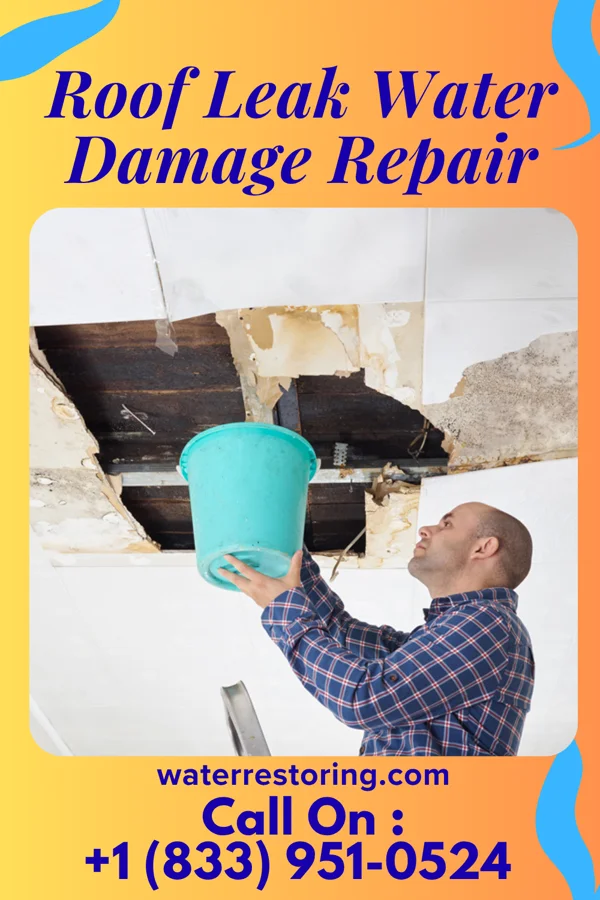
Why Roof Leaks Hit Burnside Hard
The pattern in Burnside is consistent. Burnside, Kentucky experiences frequent thunderstorms and heavy rainfall, especially during the late spring and early summer months. These weather events can lead to sudden roof leaks, particularly in older homes with asphalt shingle roofs. The combination of high humidity and sudden downpours increases the risk of water intrusion. drives most of the emergency restoration calls we get. A close second is In the fall, strong winds and heavy rain can cause additional stress on roofing materials, leading to damaged shingles and potential leaks. Winter snowmelt can also contribute to water pooling on rooftops, especially if gutters are clogged or improperly installed..
Burnside's humid subtropical climate means that moisture-related issues are a year-round concern. Prolonged rain events and high humidity can lead to mold growth and structural damage if water is not properly managed. The region's mild winters also mean that ice dams are less common, but snowmelt can still cause water infiltration.
Burnside's humid subtropical climate means that moisture-related issues are a year-round concern. Prolonged rain events and high humidity can lead to mold growth and structural damage if water is not properly managed. The region's mild winters also mean that ice dams are less common, but snowmelt can still cause water infiltration. The dominant local driver is Burnside, Kentucky experiences frequent thunderstorms and heavy rainfall, especially during the late spring and early summer months. These weather events can lead to sudden roof leaks, particularly in older homes with asphalt shingle roofs. The combination of high humidity and sudden downpours increases the risk of water intrusion., with In the fall, strong winds and heavy rain can cause additional stress on roofing materials, leading to damaged shingles and potential leaks. Winter snowmelt can also contribute to water pooling on rooftops, especially if gutters are clogged or improperly installed. showing up as the next most common cause. Damage builds in stages. Spread. Absorption. Microbial growth. Structural compromise. Every stage you pass through adds to the final bill.